



Lorem ipsum dolor sit amet. Et voluptate ullam in fugit molestiae qui fuga dicta ex totam nobis est consequuntur eligendi. At quisquam perspiciatis et numquam atque in excepturi fuga hic iusto magni.
Advertisement
Cleveland Clinic is a non-profit academic medical center. Advertising on our site helps support our mission. We do not endorse non-Cleveland Clinic products or services. Policy
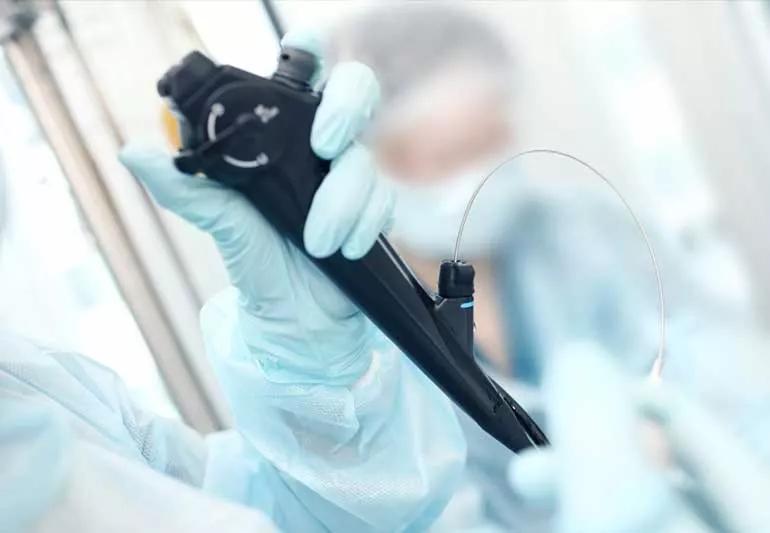
Image content: This image is available to view online.
View image online (https://assets.clevelandclinic.org/transform/b4fb2acc-0633-4cdd-9c66-1651b2cf335d/endoscopy-946828226-770x553_jpg)
Video content: This video is available to watch online.
View video online (https://cdnapisec.kaltura.com/p/2207941/sp/220794100/playManifest/entryId/1_kthubmwj/flavorId/1_5f3sgelj/format/url/protocol/https/a.mp4)

Image content: This image is available to view online.
View image online (https://assets.clevelandclinic.org/transform/dfd2b9dd-c6a6-4be5-bfc3-872892fc6b0c/parent-Kids-Yoga-1219418608-967x544-1_jpg)
Image in Content
Lorem ipsum dolor sit amet. Et officia natus et sint modi a quod recusandae qui suscipit vero. Est nobis aliquid est earum omnis sit deserunt natus et error alias qui velit tempore est adipisci porro. Quo rerum eligendi aut minus ullam qui soluta cumque aut iste illum.
Advertisement
Cleveland Clinic is a non-profit academic medical center. Advertising on our site helps support our mission. We do not endorse non-Cleveland Clinic products or services. Policy
Video content: This video is available to watch online.
View video online (https://cdnapisec.kaltura.com/p/2207941/sp/220794100/playManifest/entryId/1_kthubmwj/flavorId/1_5f3sgelj/format/url/protocol/https/a.mp4)
Aut placeat tenetur et blanditiis accusantium ad dolore dolorum id voluptatem amet rem fuga esse aut numquam officiis sit perferendis dolore. Aut quibusdam libero ut rerum modi qui quis aliquam sit earum adipisci eos natus accusamus qui nisi vero.
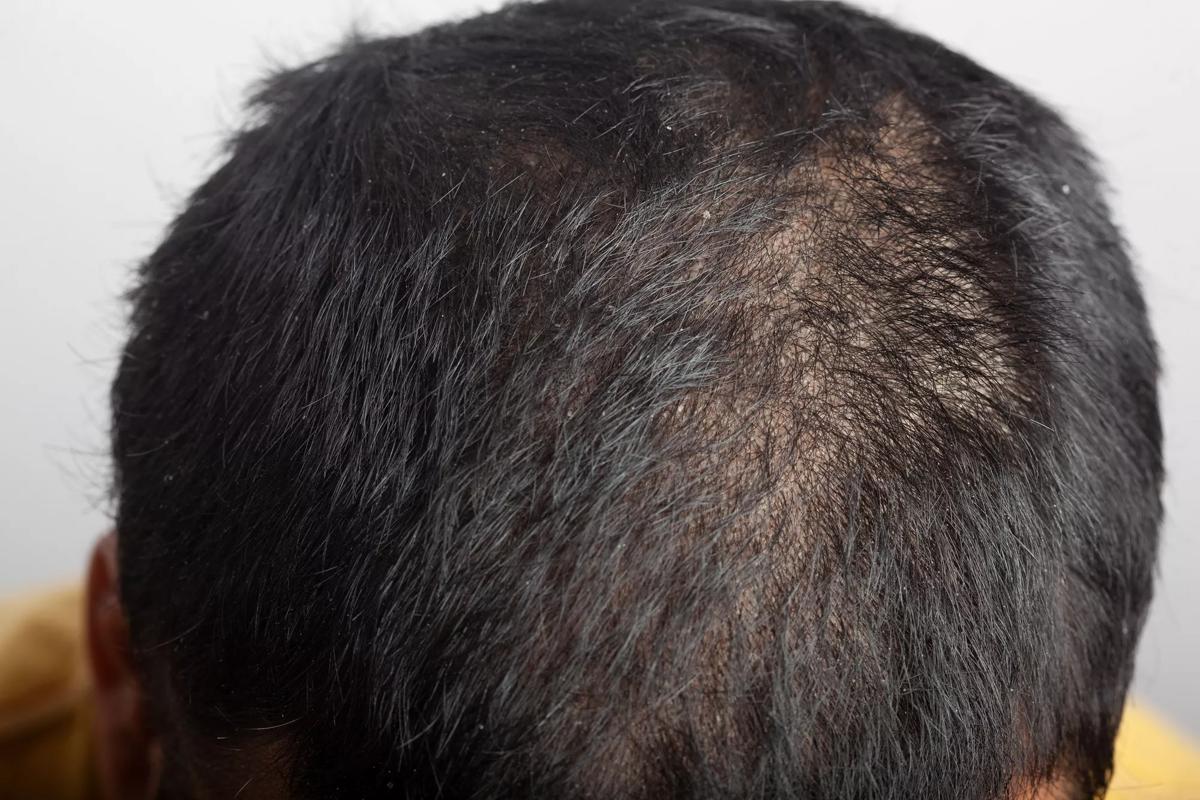
Image content: This image is available to view online.
View image online (https://assets.clevelandclinic.org/transform/3f67a0c2-0c92-4760-b5cb-653b1b3f7b0e/hair-loss-psoriasis-1455213600)
caption
Hic facilis itaque est eveniet perspiciatis est ratione perspiciatis aut asperiores nisi ex blanditiis saepe est totam sint aut quis sunt. Et dolore illum aut voluptatum nobis et iste eligendi et dolorum culpa sit totam minima vel quas odit qui illo consequatur!
Video content: This video is available to watch online.
View video online (https://cdnapisec.kaltura.com/p/2207941/sp/220794100/playManifest/entryId/1_f0mrvfi9/flavorId/1_5f3sgelj/format/url/protocol/https/a.mp4)
Kaltura Video In Chapter
Innate immunity is protection that you’re born with. Your innate immune system is part of your body’s first-line defense. It responds to invaders right away by attacking any organism that shouldn’t be in your body. It doesn’t need prior training to tell the difference between cells that belong in your body and those that don’t.
The white blood cells involved in innate immunity don’t learn to recognize certain invaders. They also have no memory of attacking invaders and don’t offer protection against specific germs (or the infections they cause) in the future.
That’s where acquired immunity comes into play. Acquired immunity, also called adaptive or specific immunity, is protection your body gains (acquires) over time from exposure to germs. Certain white blood cells called lymphocytes remember specific invaders and can tell when they don’t belong in your body. So, if those invaders try to get in again, the lymphocytes can quickly spring into action and work with other cells to eliminate the threat.
Advertisement
Vaccines support your acquired immunity by training its cells to identify and destroy invaders before they make you sick.
Like a home security system that guards against intruders and sounds the alarm when needed, your immune system is on-call and ready to signal for help when it perceives a threat. The cells and organs of your immune system work together to locate, identify and remove germs and other invaders to keep you safe and healthy. But guarding isn’t your immune system’s only duty. Its crew also heals the damage that intruders cause, just like you’d need someone to repair a broken window or door.
But even the best security system can malfunction sometimes. Autoimmune diseases or other conditions can disrupt your body’s ability to defend itself against intruders or repair damage. That’s why it’s important to see a healthcare provider regularly for checkups. They can find problems early and, if needed, provide treatment to keep your immune system working at its best.
Advertisement



Delivered every Tuesday!
Sign up for our Health Essentials emails for expert guidance on nutrition, fitness, sleep, skin care and more
It's a letter about the news!
Every two weeks once
Sign up for our Health Essentials emails for expert guidance on nutrition, fitness, sleep, skin care and more.

Every day
Sign up for our Health Essentials emails for expert guidance on nutrition, fitness, sleep, skin care and more.
Learn more about the Health Library and our editorial process.
Cleveland Clinic’s health articles are based on evidence-backed information and review by medical professionals to ensure accuracy, reliability and up-to-date clinical standards.
Cleveland Clinic’s health articles are based on evidence-backed information and review by medical professionals to ensure accuracy, reliability and up-to-date clinical standards.